
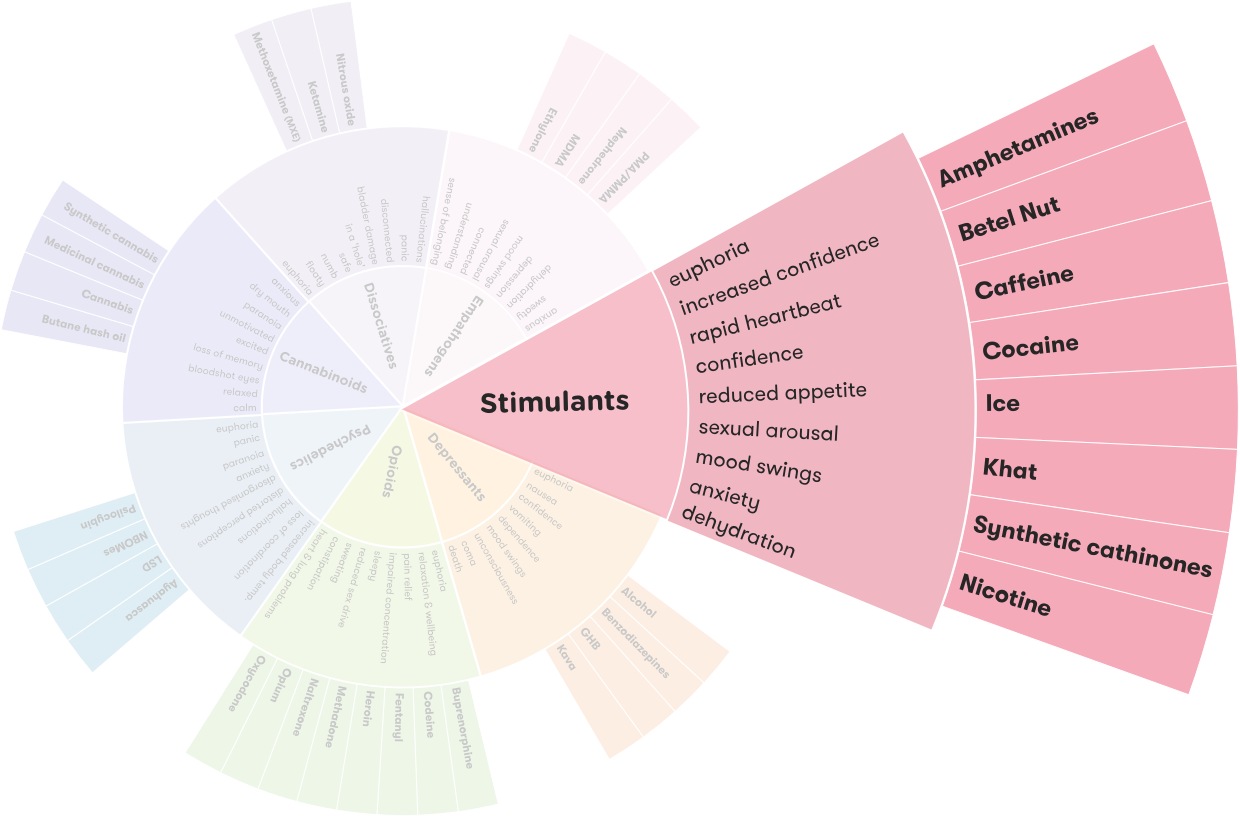
In the realm of substance use and abuse, cocaine remains a subject of both fascination and concern. Its allure stems from its reputation as a potent stimulant, capable of inducing intense euphoria and heightened alertness. However, amidst the allure, questions often arise regarding its classification and effects. Is cocaine a depressant, a stimulant, or both? How does it compare to other substances on the market?
Table of Contents
ToggleUnderstanding Cocaine:
Cocaine, derived from the leaves of the coca plant indigenous to South America, is primarily known for its stimulant properties. It belongs to a class of drugs known as psychostimulants, which also includes amphetamines and methamphetamine. When ingested, cocaine increases levels of dopamine, a neurotransmitter associated with pleasure and reward, in the brain. This surge in dopamine produces the characteristic feelings of euphoria and heightened energy that users seek.
However, the classification of cocaine as solely a stimulant oversimplifies its effects. While it primarily acts to stimulate the central nervous system, its impact on neurotransmitters also includes blocking the reuptake of serotonin and norepinephrine, which can lead to a variety of physiological and psychological responses. These effects contribute to the debate surrounding its classification as a stimulant or a depressant.
Cocaine: A Stimulant or Depressant?
The classification of cocaine as a stimulant or depressant depends on the specific effects it produces and the context in which it is used. While cocaine initially stimulates the central nervous system, its prolonged use can lead to a range of depressive symptoms, including anxiety, irritability, and fatigue. Moreover, the “crash” experienced after the drug’s effects wear off often involves feelings of depression and lethargy, further blurring the lines between its stimulant and depressant properties.
Furthermore, cocaine’s impact on brain chemistry can result in long-term changes that contribute to mood disorders and addiction. Chronic use is associated with alterations in dopamine receptors and decreased sensitivity to natural rewards, perpetuating a cycle of dependence and withdrawal.
Exploring Alternatives:
In light of the risks associated with cocaine use, individuals may seek alternatives that offer similar effects without the negative consequences. Several products and services cater to this demand, providing options that range from natural supplements to prescription medications.
1. Natural Stimulants:
Products containing natural stimulants like caffeine, guarana, and green tea extract offer a milder alternative to cocaine. These substances stimulate the central nervous system, promoting alertness and energy without the intense euphoria or crash associated with cocaine use. While they may lack the potency of cocaine, they present a safer option for those seeking a boost in energy and focus.
2. Prescription Medications:
In certain cases, individuals may turn to prescription medications to manage conditions such as attention deficit hyperactivity disorder (ADHD) or narcolepsy. Drugs like methylphenidate (Ritalin) and amphetamine (Adderall) function as central nervous system stimulants, increasing dopamine and norepinephrine levels to improve focus and attention. While these medications carry their own risks of dependence and misuse, they are prescribed under medical supervision and may offer a safer alternative to illicit substances like cocaine.
3. Behavioral Therapies:
For individuals struggling with substance abuse and addiction, behavioral therapies provide a holistic approach to recovery. Therapeutic interventions such as cognitive-behavioral therapy (CBT) and contingency management aim to address the underlying factors contributing to substance use while teaching coping strategies and relapse prevention techniques. By addressing the root causes of addiction, these therapies empower individuals to make positive changes in their lives and overcome the cycle of substance abuse.
Conclusion:
In the discourse surrounding cocaine and its effects, the classification of the drug as a stimulant or depressant is nuanced, reflecting its complex impact on brain chemistry and behavior. While cocaine initially stimulates the central nervous system, its prolonged use can lead to depressive symptoms and addiction, highlighting the need for safer alternatives and effective interventions.
As consumers navigate the landscape of substance use and abuse, it is essential to prioritize health and well-being while exploring options for enhancing mood and cognition. By understanding the effects of cocaine and considering alternatives such as natural stimulants, prescription medications, and behavioral therapies, individuals can make informed choices that support their overall health and vitality.
In the pursuit of euphoria and enhancement, let wisdom and prudence guide the way, illuminating a path toward well-being and fulfillment.
