
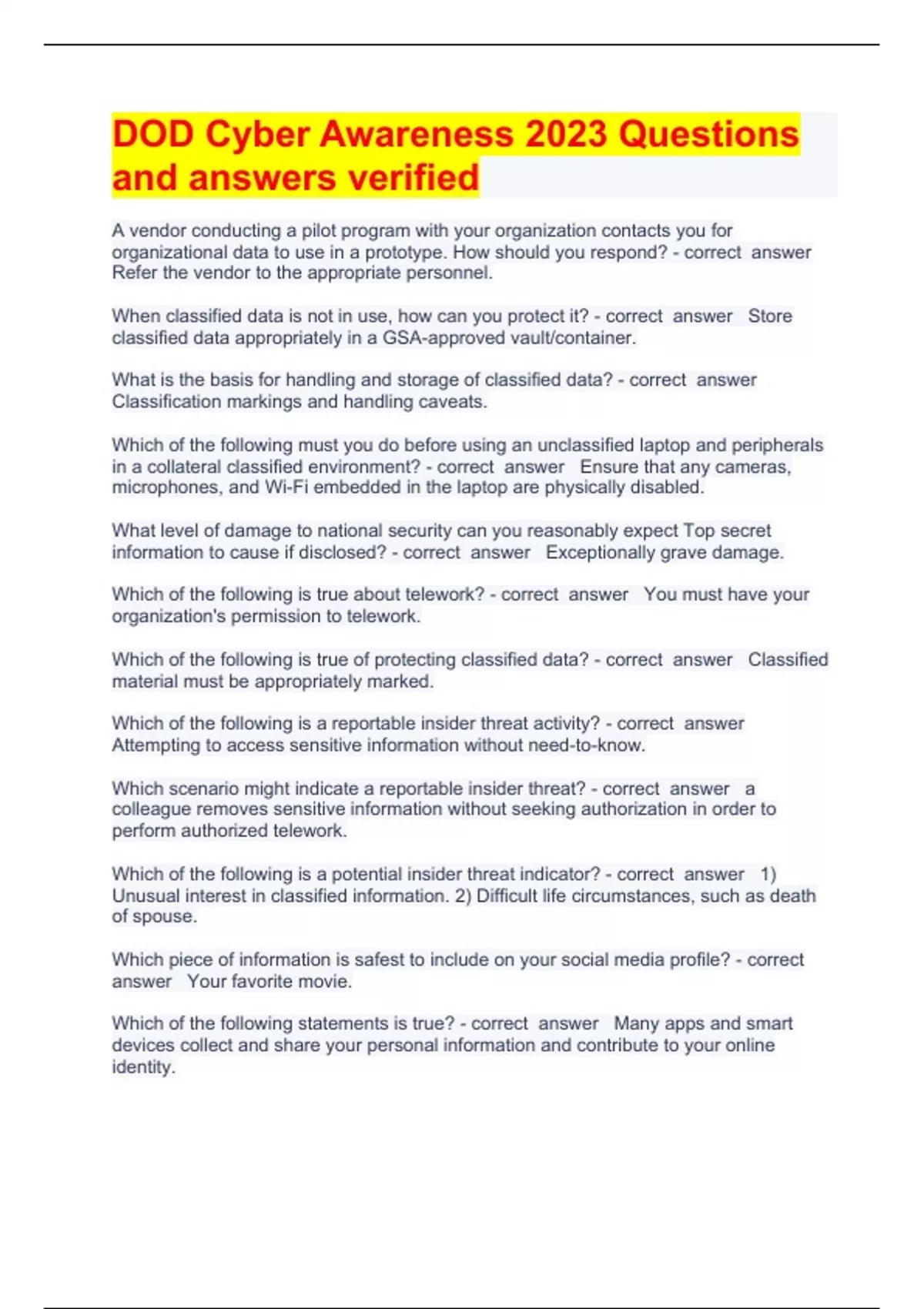
In today’s dynamic marketplace, where innovation reigns supreme, businesses are constantly seeking ways to stay ahead of the curve. One such strategy gaining traction is the implementation of pilot programs by vendors. These programs serve as testing grounds for new products, services, or technologies, allowing vendors to gather valuable insights before full-scale deployment. As businesses navigate this terrain of innovation, understanding the intricacies of a vendor conducting a pilot program becomes paramount.
A vendor conducting a pilot program enters into a strategic phase of experimentation and evaluation. This initial paragraph sets the stage for exploring the various facets of such programs, shedding light on their significance and impact.
The Essence of a Pilot Program
At its core, a pilot program embodies the essence of innovation and risk-taking. It represents a calculated venture into uncharted territory, where the outcomes are uncertain but the potential rewards substantial. For a vendor, launching a pilot program signifies a commitment to improvement and a willingness to adapt to changing market dynamics.
The primary objective of a pilot program is twofold: to assess the viability of a new offering and to gather feedback from real-world usage. By deploying the product or service on a smaller scale, vendors can identify any shortcomings or areas for improvement before a full-scale rollout. This iterative approach not only mitigates risks but also enhances the overall quality of the offering.
Strategic Implementation
The success of a pilot program hinges on strategic implementation. Vendors must carefully select participants who represent their target audience and possess the willingness to provide candid feedback. Moreover, clear communication and transparency are paramount throughout the duration of the program.
A well-defined timeline and set of objectives serve as guiding principles, allowing vendors to measure progress and make informed decisions. Flexibility is also key, as unforeseen challenges may arise during the pilot phase. By maintaining agility and adaptability, vendors can navigate through obstacles and maximize the program’s effectiveness.
Harnessing Feedback for Iterative Improvement
One of the most significant advantages of a pilot program is the opportunity to harness feedback for iterative improvement. By soliciting input from participants, vendors gain invaluable insights into user preferences, pain points, and areas of satisfaction.
Analyzing feedback in a systematic manner enables vendors to identify patterns and trends, guiding future development efforts. Whether it involves tweaking features, refining user interfaces, or addressing performance issues, each iteration brings the offering closer to meeting the needs and expectations of the target audience.
Building Credibility and Trust
Beyond product refinement, a successful pilot program contributes to building credibility and trust among customers and stakeholders. By demonstrating a commitment to listening and responding to feedback, vendors establish themselves as partners invested in the success of their clients.
Transparency throughout the pilot phase fosters a sense of collaboration and mutual respect, laying the groundwork for long-term relationships. As participants witness their input being valued and incorporated into the final offering, they are more likely to become advocates and ambassadors for the vendor’s brand.
Measuring Success and Scaling Up
As the pilot program draws to a close, vendors must conduct a comprehensive evaluation to measure its success. Key performance indicators (KPIs) such as user adoption rates, satisfaction scores, and ROI metrics provide valuable insights into the program’s impact.
Based on the findings, vendors can make informed decisions regarding the next steps, whether it involves scaling up the offering for broader deployment, making further refinements, or discontinuing the initiative altogether. Regardless of the outcome, the knowledge gained from the pilot program informs future strategies and initiatives, paving the way for continued innovation and growth.
Case Study: The Journey of XYZ Inc.
To illustrate the practical application of a vendor conducting a pilot program, let’s consider the journey of XYZ Inc., a leading technology provider in the healthcare sector. Faced with increasing demand for telemedicine solutions, XYZ Inc. embarked on a pilot program to test a new virtual care platform.
Over the course of six months, XYZ Inc. collaborated with a select group of healthcare providers to deploy the platform in real-world settings. Through regular feedback sessions and data analysis, XYZ Inc. identified areas for improvement, including streamlining the user interface, enhancing security features, and integrating with existing electronic health record systems.
By the end of the pilot program, XYZ Inc. had successfully addressed these challenges, resulting in a user-friendly and robust virtual care platform. Buoyed by positive feedback from participants and promising ROI projections, XYZ Inc. made the decision to scale up the offering for nationwide deployment.
Conclusion
Innovation is the lifeblood of progress, and a vendor conducting a pilot program represents a pivotal step on the path to advancement. By embracing experimentation, soliciting feedback, and iterating on their offerings, vendors can stay ahead of the competition and meet the evolving needs of their customers.
As businesses navigate the terrain of pilot programs, they must prioritize strategic implementation, harness feedback for iterative improvement, and build credibility and trust among stakeholders. By doing so, they can not only drive innovation within their organizations but also foster lasting relationships that lay the foundation for future success.
