
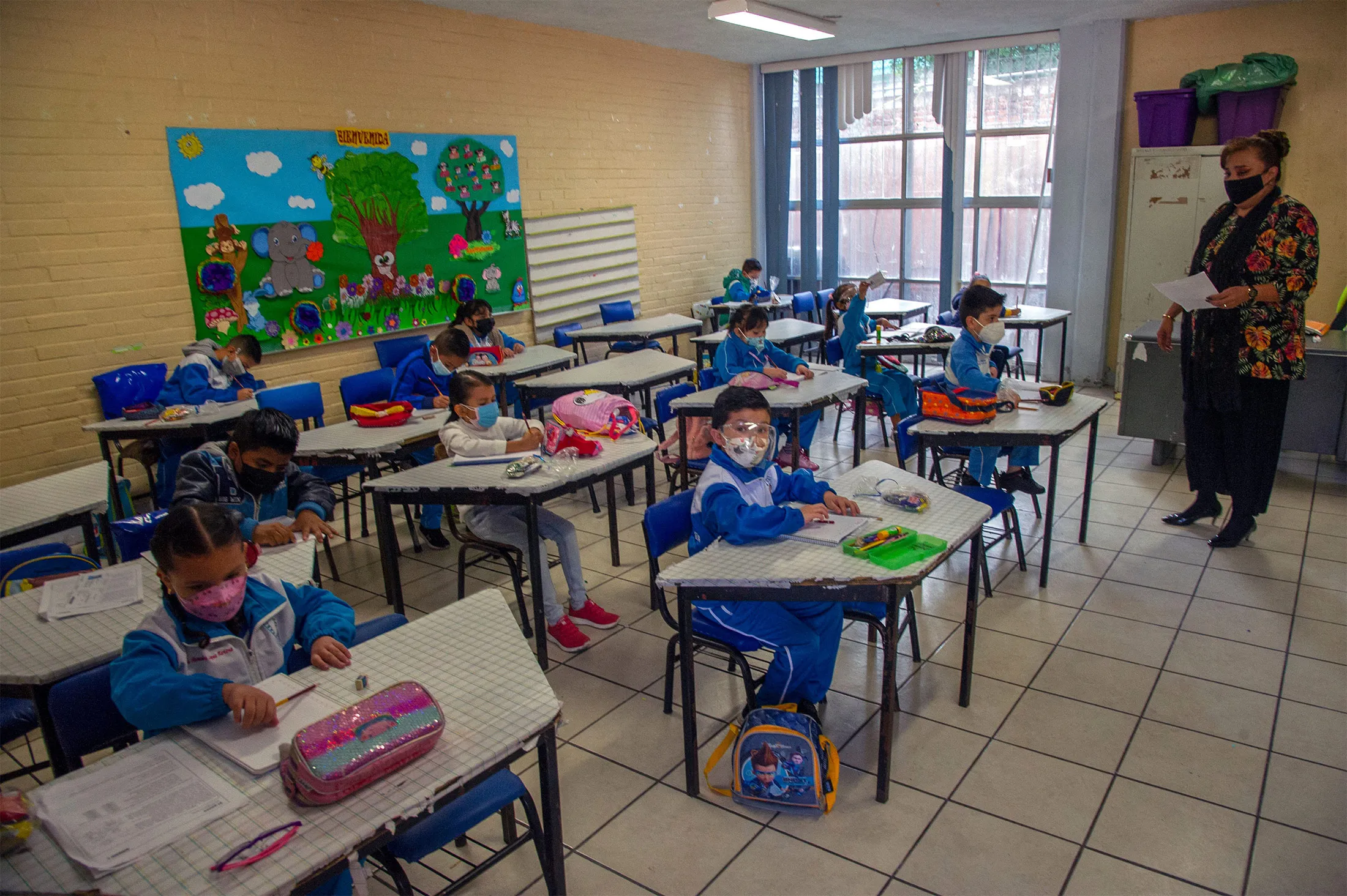
Mexico’s Secretary of Education Visits HGSE
The Harvard Graduate School of Education (HGSE) recently welcomed Mexico’s Secretary of Education, Reyes Tamez Guerra, to discuss the transformative advancements in Mexico’s national education system. His visit underscored the growing partnership between the United States and Mexico in developing innovative classroom technologies and fostering educational excellence. The visit also highlighted key discussions on financial incentives for school improvements and the adoption of cutting-edge technology-based textbooks.
Reyes Tamez Guerra’s visit served as an essential bridge between Mexican education policymakers and leading academic experts at HGSE. His engagement with faculty members, including renowned education reform advocate Fernando Reimers, brought fresh perspectives on global education policy reforms. This collaboration aimed to share best practices and create more inclusive, technology-driven learning environments that can benefit students across borders.
Innovations in Mexican Classrooms
Mexico has made remarkable strides in leveraging technology to enhance learning experiences. One of the most groundbreaking initiatives is Programa Enciclomedia, a government-led program designed to integrate digital tools into classrooms nationwide. Under the leadership of President Vicente Fox, this initiative provided Mexican students with access to interactive, technology-based textbooks, making learning more dynamic and engaging.
The introduction of innovative classroom technologies has significantly improved student comprehension and engagement. By integrating multimedia content into traditional subjects, Mexican educators have successfully fostered a more immersive and interactive learning experience. These reforms are not only enhancing academic performance but also equipping students with essential digital skills for the future.
Implications for American Educators
The success of educational technology in Mexico offers valuable lessons for American educators. The integration of financial incentives for school improvements has played a crucial role in ensuring that technological advancements reach even the most underserved communities. By adopting similar approaches, U.S. schools can bridge the digital divide and provide equal learning opportunities for all students.
Fernando Reimers, a key advocate for global education reform, has emphasized the importance of cross-cultural learning experiences. He believes that American educators can benefit from Mexico’s approach to integrating national education system policies with digital innovation. The lessons learned from Mexico’s education policy reform can guide the U.S. in developing more effective, student-centered learning models that prioritize accessibility and engagement.
Frequently Asked Questions (FAQs)
1. What is Mexis Classroom?Mexis Classroom refers to the innovative educational technologies and policy reforms implemented in Mexico to improve learning experiences. These include Programa Enciclomedia, financial incentives for school improvements, and technology-based textbooks.
2. How has Programa Enciclomedia transformed Mexican education?Programa Enciclomedia has digitized traditional learning materials, making education more interactive and accessible. This initiative has enhanced student engagement and comprehension through multimedia integration.
3. What role did Reyes Tamez Guerra play in educational reform?As Mexico’s Secretary of Education, Reyes Tamez Guerra played a pivotal role in implementing policies that modernized classrooms and integrated technology into the national education system.
4. How can American educators apply these lessons?By adopting Mexico’s strategies, such as incorporating digital tools and offering financial incentives for school improvements, American educators can create more inclusive and effective learning environments.
5. Who is Fernando Reimers, and why is he important in this context?Fernando Reimers is a distinguished professor at HGSE, known for his work in education policy reform. His expertise in global learning strategies has helped bridge gaps between different education systems.
Conclusion
Mexis Classroom is a testament to the power of educational technology in transforming learning experiences. By embracing innovations like Programa Enciclomedia and fostering international collaboration, both Mexico and the United States can continue to enhance their education systems. The insights from Mexico’s national education policies offer a blueprint for future reforms, ensuring that students worldwide have access to high-quality, engaging learning opportunities.
