
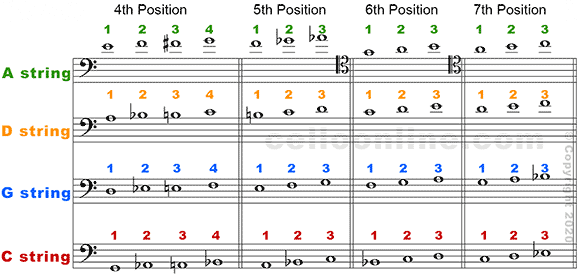
For aspiring cellists, mastering the art of playing the cello involves not only dedicated practice but also having the right tools and resources at hand. One such essential tool is the cello fingering chart, a visual aid that provides guidance on where to place fingers to produce specific notes on the instrument’s fingerboard. With various cello fingering charts available in the market, it can be challenging to determine which one suits your needs best. In this article, we’ll compare and contrast different products and services related to cello fingering charts, helping you make an informed decision on your musical journey.
1. Online Resources:
In the digital age, online resources have become increasingly popular among musicians seeking guidance and instruction. Several websites offer free cello fingering charts that can be accessed anytime, anywhere with an internet connection. Websites such as StringClub, Online Cello Academy, and CelloOnline provide interactive fingering charts, along with instructional videos and other resources to aid in learning.
Pros:
- Accessibility: Online cello fingering charts are readily available to anyone with internet access, making them convenient for musicians of all levels.
- Interactive Features: Many online resources offer interactive features such as audio playback and animated finger placements, enhancing the learning experience.
- Cost: Most online cello fingering charts are free of charge, making them budget-friendly options for students and amateur cellists.
Cons:
- Reliability: The quality and accuracy of online fingering charts may vary depending on the source. Users should exercise caution and verify information from reputable sources.
- Screen Dependency: Relying solely on online resources may lead to screen dependency and detract from traditional learning methods.
2. Printed Fingering Charts:
Printed cello fingering charts are physical documents that can be purchased or downloaded and printed for personal use. They are available in various formats, including books, posters, and downloadable PDF files. Many music stores and online retailers offer printed fingering charts designed for both beginner and advanced cellists.
Pros:
- Portability: Printed fingering charts are portable and can be easily carried to practice sessions, rehearsals, and performances.
- Durability: Unlike digital resources, printed charts do not require electronic devices or internet connectivity, making them reliable and durable tools for long-term use.
- Customization: Some printed fingering charts allow users to annotate and personalize their notes, facilitating individualized learning and practice.
Cons:
- Cost: Depending on the format and quality, printed fingering charts may incur upfront costs for purchase or printing.
- Limited Availability: Finding printed fingering charts tailored to specific skill levels or musical genres may require thorough research and exploration of different vendors.
3. Mobile Applications:
With the widespread use of smartphones and tablets, mobile applications have emerged as convenient tools for musicians seeking on-the-go guidance and instruction. Several cello-specific apps offer interactive fingering charts, tuning tools, metronomes, and other features to support learning and practice.
Pros:
- Convenience: Cello fingering chart apps can be easily accessed and used anytime, anywhere, making them ideal for musicians with busy schedules.
- Multimedia Integration: Many apps integrate multimedia features such as audio recordings, video tutorials, and visual aids, enriching the learning experience.
- Personalization: Some apps allow users to track their progress, set goals, and customize their learning paths based on individual preferences and skill levels.
Cons:
- Compatibility: Not all cello fingering chart apps are compatible with all devices or operating systems, limiting accessibility for some users.
- Cost: While some apps offer basic features for free, others may require a one-time purchase or subscription fee to access premium content and advanced functionalities.
Conclusion:
In conclusion, the choice of a cello fingering chart ultimately depends on individual preferences, learning styles, and budget constraints. Online resources offer convenience and accessibility, while printed charts provide durability and customization options. Mobile applications combine the benefits of both digital and physical formats, offering multimedia features and on-the-go convenience.
Before selecting a cello fingering chart, consider factors such as reliability, accuracy, portability, and cost. Experiment with different resources and formats to find the one that best suits your needs and enhances your musical journey. Whether you’re a beginner exploring the basics or an advanced cellist refining your technique, a reliable fingering chart can serve as a valuable companion on your path to mastering the cello.
